
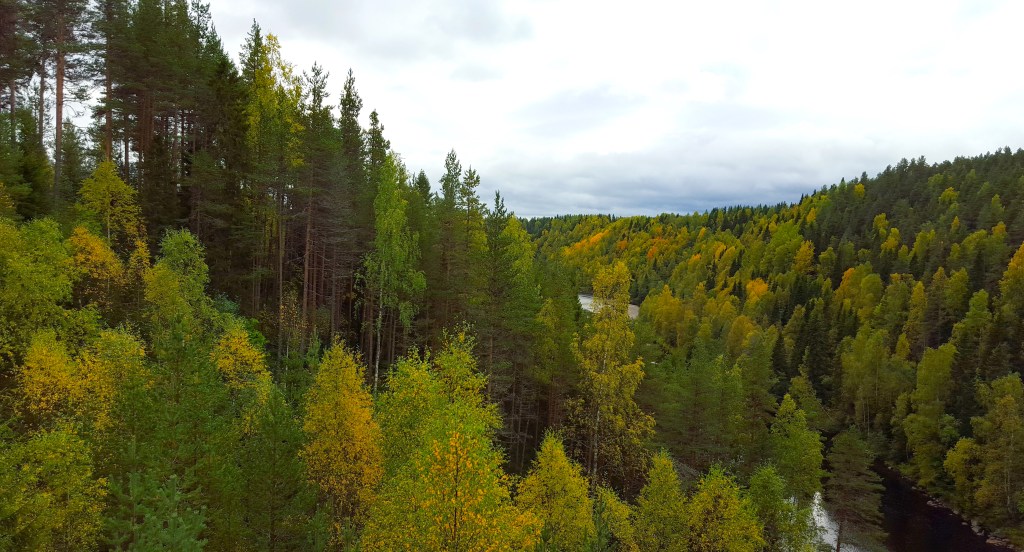
Nordic people have a deep-rooted connection to nature, which is reflected in their culture, traditions, and way of life. Historically, ancient Nordic societies relied on the land and sea for sustenance, which fostered a respect for the environment and its resources. This presumably also led to nature playing a central role in Nordic folklore, where forests, mountains, and bodies of water are often depicted as inhabited by spirits and mythical creatures. Nowadays, the reverence for nature remains strong among Nordic communities. Practices like hiking, skiing, and foraging are not just recreational activities but meaningful ways to engage with the environment. Overall, the Nordic people share a sense of identity that is intricately linked with the region’s spectacular wilderness, and they have made enjoying nature a way of life.
Friluftsliv is a concept that emphasizes the importance of spending time outdoors and fostering an appreciation and connection to nature. Originating from Norway and spreading throughout Scandinavia, friluftsliv translates to “open-air living” or “free air life.” At its core, this philosophy involves a universal approach to nature immersion.
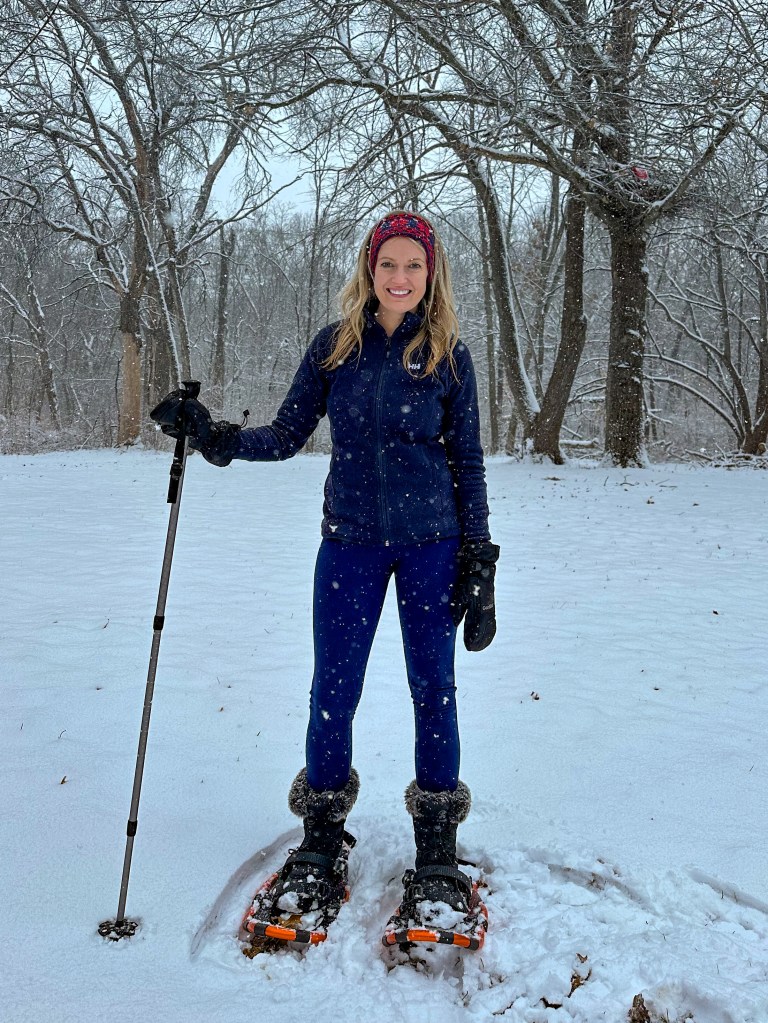
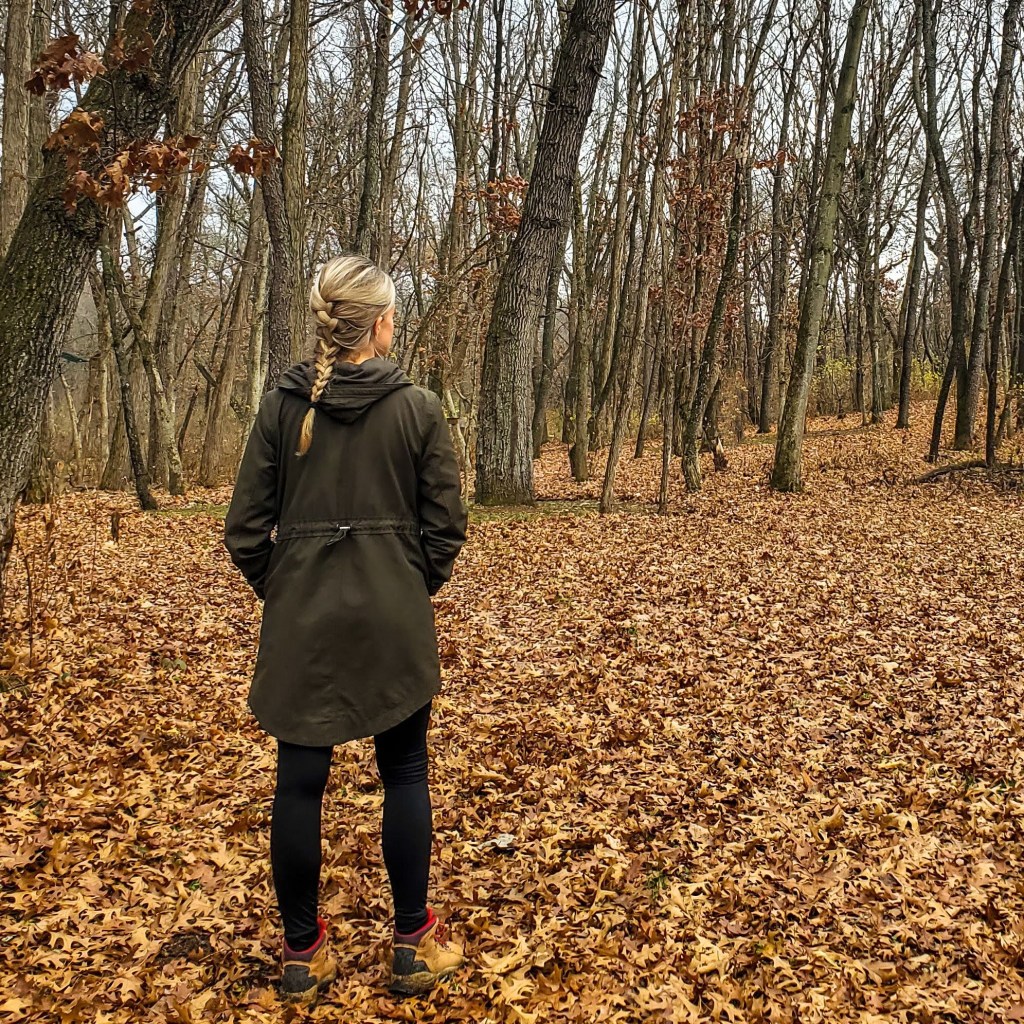
Furthermore, friluftsliv encourages people to embrace the outdoors regardless of the weather or season, fostering resilience and a sense of adventure. There is a popular Swedish phrase – “Det finns inget dåligt väder, bara dåliga kläder” – that translates to “There is no bad weather, only bad clothing.” Since it’s cold and dark for a good portion of the year in Scandinavia, instead of fighting it, they tend to embrace it. Otherwise it would be a very, very long winter.
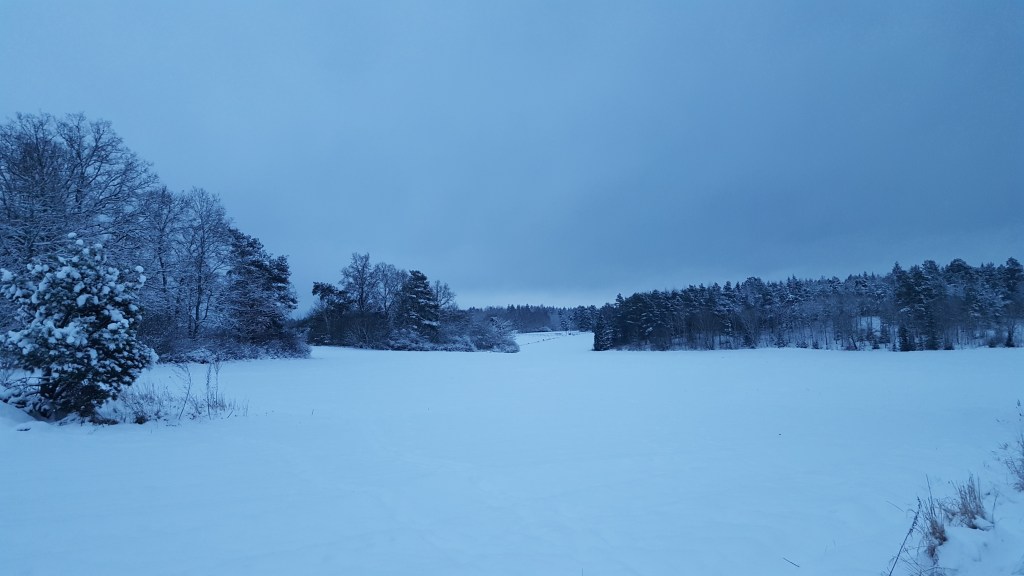
The concept of friluftsliv is also connected to allmansrätten, or “the right to roam.” This Scandinavian principle allows people to explore and enjoy the countryside responsibly (hiking, camping, berry picking, etc) without specific permission from landowners. Allmansrätten is deeply ingrained in Scandinavian culture and reflects a mutual respect for nature and the right of all individuals to experience and appreciate the outdoors.
Nature is simply a part of the Nordic way of life, and their bond with the outdoors is a fundamental aspect of their heritage and collective consciousness. What’s especially adorable, in my opinion, is that when translating to English, they call it “the nature.” Whereas we would say, “I’m going out in nature for awhile,” Swedes especially would say, “I’m going out in the nature for awhile.” It got/gets me every time I hear it!


 Explore with Emily
Leave a comment